

High Court judge finds claimant was ‘coached’ through evidence
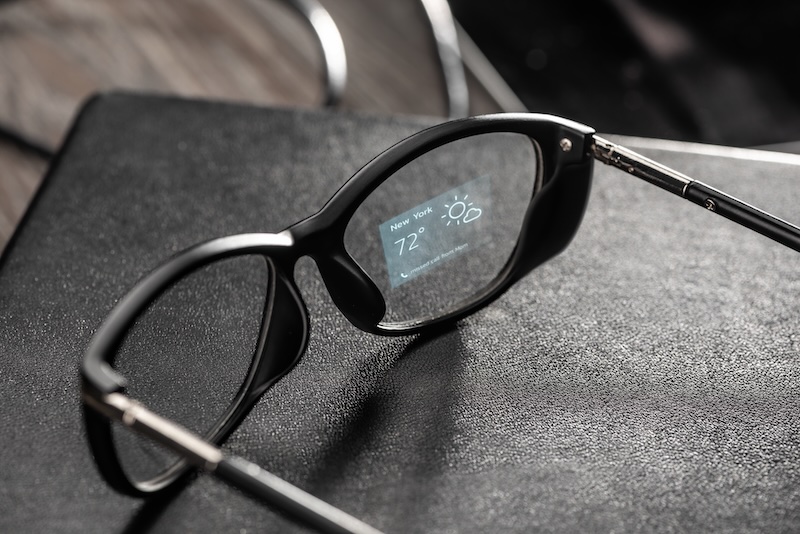
A man found to have worn smart glasses connected to his mobile phone during cross-examination has had his case thrown out after a judge ruled his evidence to be “unreliable and untruthful”.

The extraordinary scenes unfolded during a trial earlier this year, in which Laimonas Jakstys was seeking to establish his directorship of a property development company with assets including a flat in London and land in Tonbridge, Kent.
Things began to unravel early in Jakstys’ cross-examination, when the judge noticed that he “seemed to pause quite a bit” before answering questions.
Counsel then told the judge she could hear interference coming from around the witness and asked whether he might be wearing smart glasses. The interpreter sitting alongside Jakstys in the witness box confirmed she could hear it too.
“It was later ascertained that Mr Jakstys was wearing smart glasses,” the judge noted in her ruling. “I asked him to remove them before continuing with his cross examination. After a few further questions, when the interpreter was in the process of translating a question, Mr Jakstys’ mobile phone started broadcasting out loud with the voice of someone talking. There was clearly someone on the mobile phone talking to Mr Jakstys. He then removed his mobile phone from his inner jacket pocket.”
The judge directed that both items be handed to his solicitor, and when counsel inspected the glasses at the end of the day, they connected to Jakstys’ phone the moment they were switched on.
Jakstys disputed this, arguing that the glasses had not been linked to his phone and that the voice had been caused by ChatGPT.
The judge didn’t agree. “That lacks any credibility,” she said, adding that the phone had only started broadcasting out loud after the glasses were disconnected, which pointed in the opposite direction to the explanation being offered.
A photo of Jakstys’ phone screen showed multiple calls made during his evidence to a contact listed as “abra kadabra”. He explained that this was a taxi driver he had been trying to reach to let know he was at court and did not know what time he would finish. The last call had been made within minutes of him entering the witness box.
The judge stopped short of identifying who had been doing the coaching, though the defendants’ barrister had submitted it was a lawyer based overseas who was the only person watching proceedings via video link. Agnello did, however, find that Jakstys “was being assisted or coached in his replies to questions put to him during cross examination until this was stopped.”
His evidence was rejected in its entirety, the defendants won, and an indemnity costs order was made in their favour