

The hidden cost of AI efficiency

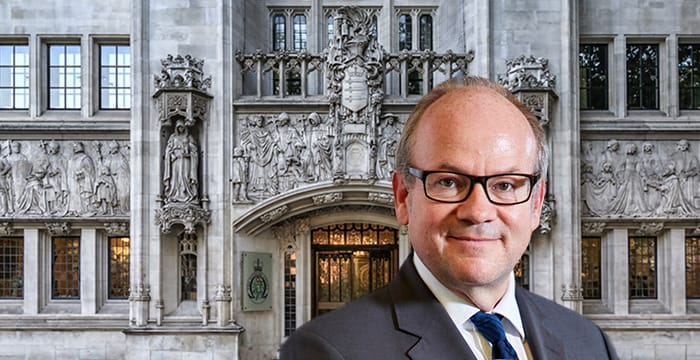
A Supreme Court judge has warned that artificial intelligence (AI) risks leaving the next generation of lawyers without the skills they need, as the technology becomes increasingly capable of doing work traditionally carried out by trainees and junior lawyers.
Speaking at a conference on AI and the legal profession at DAC Beachcroft, Lord Sales warned that tasks such as legal research and document review play an important role in helping junior lawyers develop their professional judgement.
He explained how even seemingly routine tasks can help trainees develop their skills:
“You read 50 cases and gradually develop a sense of which cases matter. You draft a note and somebody more experienced pulls it apart, and you learn from the experience.”
The concern, Sales suggested, is that firms could become more efficient in the short term by handing these tasks to AI, while leaving future senior lawyers without the experience needed to properly check its work.
So, what’s the solution? Sales suggested that parts of legal training may need to take place without AI. “Paradoxically, as AI becomes better, some lawyers may need to be trained without it,” he said, stressing the importance of learning to research, analyse and draft independently.
He also warned that while AI could reduce the number of lawyers needed to carry out legal work, firms may have to invest more heavily in training a smaller group of lawyers to ensure they can properly scrutinise AI-generated work.
The comments come amid a wider debate over AI’s role in the courts. Supreme Court president Lord Reed has warned that AI-made decisions could undermine public trust, while outgoing Master of the Rolls Sir Geoffrey Vos suggested that people may eventually become comfortable with machines deciding certain disputes. More recently, Sir Colin Birss backed the use of AI to assist judges but stressed that it must not replace human judicial reasoning.
As Sales put it:
“The danger is not simply that the machine gets the answer wrong. The greater long-term danger is that human beings gradually lose the ability to know whether it has got the answer wrong.”