

Strict guidelines
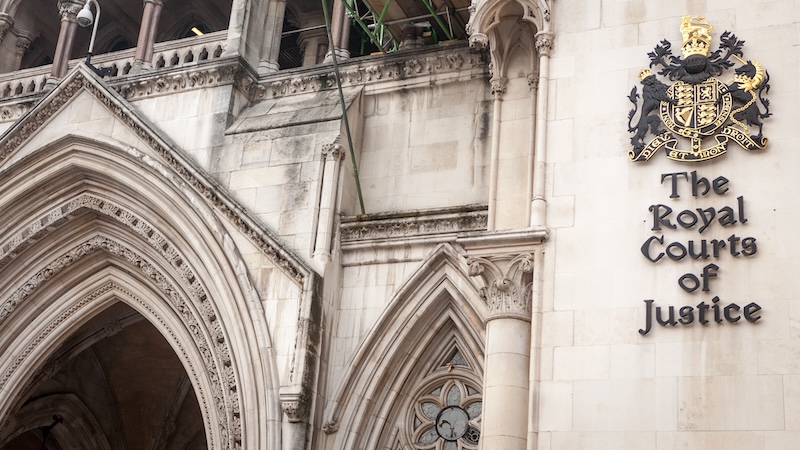
Aspiring judges can now use artificial intelligence (AI) tools when applying to join the bench, after the Judicial Appointments Commission published guidance setting out what is and is not permitted.

The JAC confirmed this week that judge hopefuls may use AI when drafting and reviewing self-assessment or individual skill and ability examples, so long as they remain “fully responsible for the accuracy and truthfulness of all material submitted.”
Acceptable uses include running self-written drafts through AI to improve grammar, clarity and structure, using it to identify key themes or strengths in content already written, and checking whether a draft flows and holds together. Candidates may also use AI to summarise long documents they have personally authored.
The guidance is clear, however, that AI “must not create substantive content or replace or inaccurately overstate personal experience.” Applicants cannot use it to invent examples of judicial, legal or professional experience, fabricate or embellish roles and achievements, or rewrite genuine experience in a way that overstates their competence.
The rules are stricter still when it comes to “live assessments”. The JAC says use of AI in qualifying tests is “expressly prohibited”, and candidates must not use it to draft or refine answers in selection days, situational judgement tests, critical analysis exercises or interviews. No selection material should be entered into an AI tool at any stage of the process.
The JAC, which is responsible for selecting judges in England and Wales, warns that its assessment tools are designed to evaluate “a candidate’s analysis of information, independent reasoning, judgement, and integrity”, and that using AI in those contexts undermines their purpose.
Candidates caught breaching the policy face serious consequences. The JAC says any evidence of a breach “will be considered an integrity issue”, which could result in disqualification from the current exercise and any future ones, as well as referral to the candidate’s professional regulatory body.
It’s not just judges who are being told it’s acceptable to use AI — aspiring lawyers are too. While some firms have adopted strict rules against its use, Shoosmiths is among a number of firms embracing the tech for vacation scheme and training contract applications, albeit with clear guidelines in place, much like the JAC’s own approach.