

Many are calling it the legal version of the Coldplay kiss cam scandal

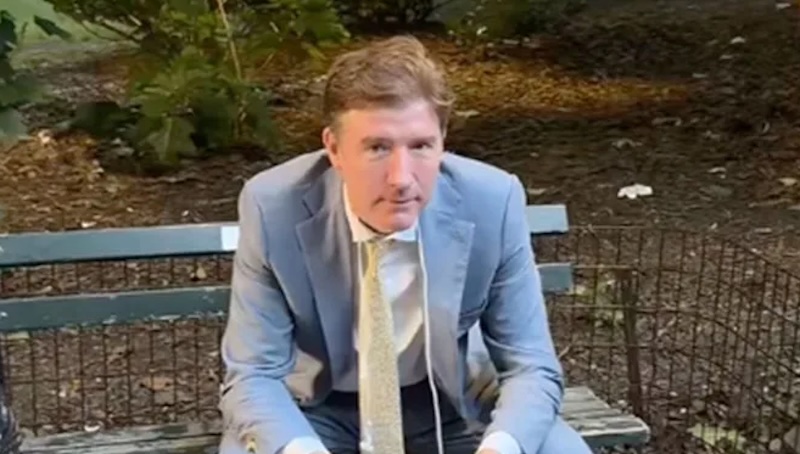
What a week it’s been for Nathaniel Cullerton.
Cullerton, a partner at BigLaw US firm Wachtell Lipton, was due to join a group of defectors to rival firm Gibson Dunn. However, according to the Financial Times, “his hiring was scrapped after he was filmed in a viral TikTok video in an apparent romantic embrace with a colleague last week”. Not only that, according to the paper, he appears to have been “placed on a leave of absence from Wachtell pending further investigation”.
The video was originally posted by Jay Guapõ, a TikToker, and received millions of views. Under US law, social media platforms are not liable for user posts. Under UK law, publishers can protect themselves by taking appropriate action upon being informed of defamatory material (usually, taking the content down).
US tabloid the New York Post then published a detailed spread on the story, but coverage on this side of the Atlantic has been noticeably lower key.
This may have something to do with the different privacy regimes in the US and UK. US outlets have fewer restrictions on what they can publish, owing to a gap in federal privacy protection and a severely limited state privacy framework. In the UK, the creation of the tort of misuse of private information following the introduction of the Human Rights Act, affords far more protection to those wishing to shield their personal lives from public scrutiny. Combined with the UK’s claimant friendly media laws, individuals may find the UK more willing to safeguard their reputations from the speech of others.
That’s the law, what about the ethics? Mike Bird, Asia business and finance editor for The Economist, questioned whether private individuals should face such scrutiny of their behaviour when they haven’t willingly placed themselves in the limelight.
“I wonder what proportion of the people gleefully consuming this stuff would also complain about press intrusiveness into the private lives of people who (unlike these) have actually at least deliberately put themselves in the public eye.”
Others strike a more moralising tone, seeming to suggest that there is a public interest in highlighting personal relationships that begin at work where there may be a power imbalance.
Either way, those who have come across this story will be watching Wachtell’s next move with interest.