

Broadsheet bashing

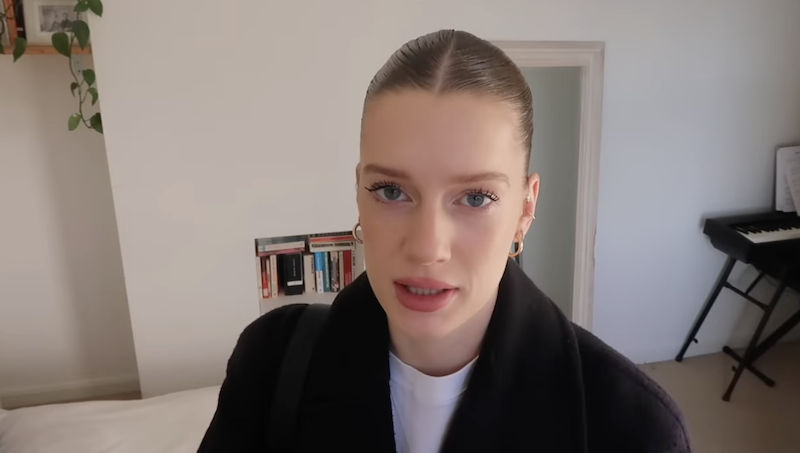
A former Magic Circle lawyer who has built a sizeable social media following through workday vlogs has hit out at a Financial Times article scrutinising the “office influencer” trend, describing the piece as “dripping in misogyny”.
Published over the weekend, the article (£) examines how this content can glamorise aspects of working life many employees typically complain about, and whether it reflects empowerment and renewed enthusiasm for office culture or simply a polished form of corporate conformity.
The article also discusses the women behind the videos, describing them as “united by youth, glossy looks and perfect hair”, speculating that they “seem quite lonely” and referring to them as “forever single, working mannequins”. It also suggests that “putting on high heels and climbing escalators might be the height of aspiration” for younger workers.
While no influencers are named, Liberty Miles believes at least part of the article refers to her. After completing her training contract at Freshfields and later moving to Jones Day, Miles left BigLaw for a role in legal tech. The article describes a woman working in legal tech in Canary Wharf who shares her day through time-stamped clips, a format Miles regularly uses on Instagram and TikTok, where she has more than 70,000 followers combined.
In a recent post responding to the article, Miles said it portrayed successful women as lonely and lacking romantic or social fulfilment. She accused the FT of reviving the “age-old trope of the cold, ambitious woman”, suggesting that women who succeed professionally must have done so at the expense of their personal lives.
The lawfluencer contrasted this with the way she believes male counterparts are typically portrayed, arguing that they would be seen as successful and desirable, while the women in the piece were labelled “forever single working mannequins”.
Elsewhere in the clip, which has attracted thousands of likes and supportive comments, Miles says the article is “dripping in misogyny”, noting that it was written by another successful woman. She adds that she had hoped society was “past this sort of reductive, patronising characterisation of women”, which suggests they can be successful or fulfilled, “but apparently not both”.