

Calls for appropriate oversight
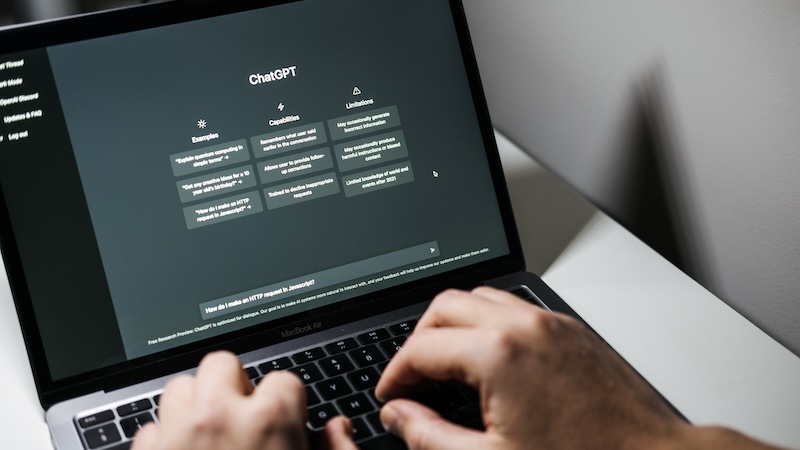
The Solicitors’ Regulation Authority (SRA) has warned solicitors against lax use of generative AI, following mounting instances of hallucinated case law and confidentiality breaches.
The notice comes after a string of headline-grabbing AI blunders at law firms, including Pinsent Masons‘ citation of an insolvency rule that didn’t exist, fuelled by a junior lawyer’s AI-hallucinated research, and a similar error made by US firm Sullivan & Cromwell, which apologised to a New York judge after AI-hallucinated citations were found in a court filing it had submitted.
While the SRA acknowledges the value AI can bring to legal services when used correctly, they stressed that “it also presents risks that must be understood and managed.” These risks centred around AI’s tendency to hallucinate as well as on potential breaches of client confidentiality when uploading sensitive materials to AI. The SRA itself received 42 reports relating to potential AI misuse between July 2025 and July 2026.
On hallucinations, the notice reminds solicitors that they “remain accountable for their work and outputs, regardless of how that work has been prepared”. It also stresses that “firms must also have effective governance structures, systems and controls in place to manage any risks, including those arising from use of AI”.
Turning to client confidentiality, the SRA notes that entering confidential information into open source AI tools, such as ChatGPT, would amount to a waiver of privilege, instead confirming that “client information should only be entered into AI systems where appropriate contractual, technical and organisational safeguards are in place to protect confidentiality.”
The notice goes on to emphasise that it’s “incumbent on all managers and employees of SRA regulated firms to understand their obligations in this regard given the irreparable consequences of sharing clients’ confidential information and the permanent waiver of privilege that can occur as a result.”
Commenting on the notice, SRA executive director strategy and policy, Aileen Armstrong said:
“Firms and solicitors must have appropriate oversight and controls in place to make sure consumers are receiving high-quality legal services and that our standards are met. Individuals remain responsible for the work they produce and the advice they provide, regardless of whether AI is used, or not.”
The SRA joins the Bar Standards Board (BSB), which earlier this year warned barristers that free AI tools would generally be unsuitable for legal work.



Even LexisAI gets cases wrong. Happened to me. The cases existed, but it miscited the facts and the principles deriving from those cases. They were not remotely relevant to what I had asked. Verify everything, and you’ll be fine.