

Law grad Sasha Braham explores the possible implications of Estée Lauder’s legal action against the British perfumer
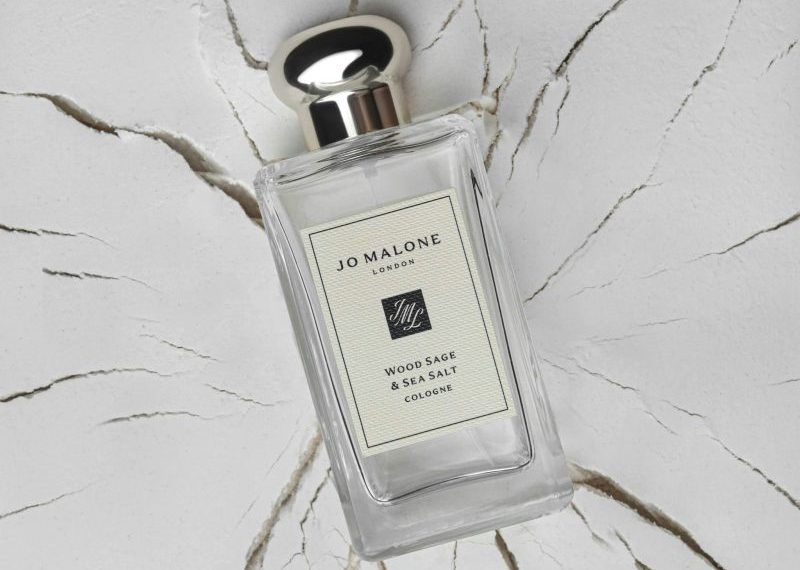
The Estée Lauder Companies has filed a lawsuit against perfumer Jo Malone, her fragrance brand ‘Jo Loves’, and Zara’s UK’s parent company, Inditex, for the use of Malone’s name on certain products.
While proceedings are only in the early stages, the dispute usefully highlights the intellectual property risks that occur when a brand is linked to a personal attribute, like a founder’s name. It also exposes the long term legal implications for founder-led brands after once ownership changes hands.
What’s the history?
In 1999, The Estée Lauder Companies acquired the brand Jo Malone London and the rights to use her name. Malone subsequently left the brand in 2006. In 2011, Malone launched a brand new perfume label, Jo Loves. Since 2019, Malone has collaborated with Zara to create popular and affordable fragrance collections like ‘Zara Emotions’ and ‘Vibrant Cities’ through her ‘Jo Loves’ brand.
Want to write for the Legal Cheek Journal?
Find out moreWhat’s the issue?
Estée Lauder argues that the use of ‘Jo Malone’ on the packaging and marketing of Jo Loves products sold by Zara, goes beyond the legal agreement between Malone and Estée Lauder. The original agreement reportedly restricted Malone from using ‘Jo Malone’ in certain commercial contexts, including the marketing of fragrances. Malone is reportedly being sued for breach of contract, trademark infringement, and “passing off”.
This dispute centres on how Malone’s name appears on Zara’s promotional material. A product description on the Zara website reads: “in collaboration with perfume Ms Jo Malone CBE, founder of Jo Loves“. The legal question is whether this wording is a fair and honest use of a personal name or commercial trade mark use that infringes intellectual property rights owned by Estée Lauder.
Passing off arises where customers may be misled into believing that products are linked to another brand. Estée Lauder argues that the Zara collaboration blurs the distinction between Jo Loves and Jo Malone London.
Malone may suggest that by adding ‘CBE’ and ‘founder of Jo Loves’ this signals that she is referring to her personal identity rather than the brand. Ultimately the dispute is likely to rely on customer perception, does the promotion constitute a fair and honest use of Malone’s name or a commercial trade mark usage which infringes on the IP rights owned by Estée Lauder? Is the phrasing confusing and conflating to customers?
Estée Lauder’s position stems from the 1999 sale agreement, where it acquired intellectual property rights connected to the Jo Malone name. Although Malone’s non-compete clause expired in 2011, her name remains embedded in registered trade marks owned by the company.
Trademark infringement and passing off protect commercial goodwill. By pursing this claim, Estée Lauder seeks to protect their brand reputation, brand identity, customer connections and the ‘attractive force’ which drives consumer sales. This has a wider effect on the Jo Malone London brand because Malone’s collaboration with Zara is a significantly lower price point than traditional luxury fragrances, and therefore risks diluting the luxury positioning and reputation of the Jo Malone London brand.
Want to write for the Legal Cheek Journal?
Find out moreIt’s not the first time…
The courts have historically taken a narrow approach when founders have sought to trade under their own name after a selling their businesses. In 2016 fashion designer Karen Millen lost a fight to trade under her own name after she and her husband sold the majority stake in their business to the Icelandic retail investor Baugur in 2004. The agreement included restrictive covenants which prevented Millen from using her name or anything confusingly similar. The court held that the prohibition on the designer should also extend to the word ‘Karen’ or even ‘K.M’ for similar or competing businesses in the UK or internationally.
Restrictive covenants are a standard and often heavily negotiated feature of brand acquisitions. Buyers want to restrict what the sellers can do (with the intellectual property, goodwill and other assets of the target business) after the sale, while sellers will push back to narrow those restrictions through time, geography or scope.
The case illustrates a reality that founders should weigh up the legal and commercial consequences of using and selling their name and be aware that the purchaser can prevent them from using their name post-sale. The decision to lend your own name to a brand, product or company can be a risky and expensive one, particularly if you have a change of mind or heart.
Want to write for the Legal Cheek Journal?
Find out moreHow can brand owners prevent this?
1. Draft usage rules clearly
Sale agreements should accessibly define permitted and prohibited uses with practical examples. Clear drafting can mitigate litigation risk, legal costs and reputational damage.
2. Be strategic with IP ownership
By assigning intellectual property rights to a holding company, which you own, allows you to retain the option of licensing the right to use the name to a buyer.
Negotiate what is in the contract before selling the business, including changing the name. However, this could likely reduce the value of the acquisition, as the brand will not retain the same value without the original name.
3. Change of control clause
A change of control clause triggers termination of the agreement if ownership passes to a third party. This was adopted by designer Donna Karan. Her company , Gabrielle Studio, granted a licence to Donna Karen International to use the brand’s IP. The agreement included a change of control provision, where if more than 30% of the company was acquired by a third party, the contract could be terminated. In the event of a hostile takeover Donna Karen International would be unable to use the associated trademarks owned by Gabrielle Studio.
Want to write for the Legal Cheek Journal?
Find out moreConclusion
The outcome could have implications for business owners who sell businesses tied to their own names, and the case is likely to centre on two key points:
1. Whether Malone breached the original sale agreement
2. If consumers could reasonably be confused about the origins of the fragrance.
These disputes are not new. These cases are not new; the courts have ruled that Karen Millen using her name would create customer confusion. Similarly when Bobbi Brown sold her namesake company to Estée Lauder in 1995, she was also contractually obliged to not use her name commercially in a way that would compete with the brand.
In 2025, Jo Malone described selling the rights to her name as “the hardest thing“. The decision to lend your own name to a brand, product or company can be a risky and expensive one, particularly if you have a change of mind or heart.
Sasha Braham is a history graduate from the University of Manchester and Postgraduate Diploma in Law and Professional Practice graduate from King’s College London. She works as a freelance legal researcher and is pursuing a career as a commercial solicitor.